Global supply chain reshaping
Global Supply Chain Reshaping: The New Economic Order
Introduction
The COVID-19 pandemic, geopolitical tensions, trade wars, and the rapid acceleration of technology have caused a massive shift in global supply chains. Once centered around cost-efficiency and lean manufacturing, the modern supply chain is now being re-evaluated for resilience, diversification, and strategic autonomy. Nations and corporations alike are recalibrating their sourcing strategies, manufacturing bases, and logistics infrastructure. The result is a structural transformation that’s reshaping the global economy in profound ways.
1. Background: The Traditional Supply Chain Model
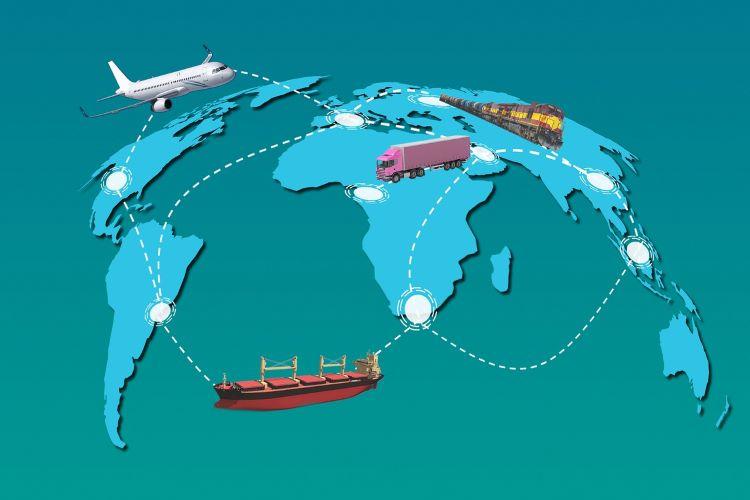
For decades, global supply chains operated under a simple premise: produce where it’s cheapest, sell where it’s most profitable. China became the undisputed manufacturing hub due to its low labor costs, robust infrastructure, and export-friendly policies. Western firms relied heavily on just-in-time inventory systems and deep global integration to minimize costs.
But this model had its weaknesses—over-reliance on single-source suppliers, long lead times, and vulnerability to disruption.
2. Key Triggers Behind the Reshaping
a. COVID-19 Pandemic
The pandemic exposed the fragility of hyper-globalized supply chains. Lockdowns disrupted production, port closures delayed shipments, and demand patterns shifted overnight. For instance, auto manufacturers halted production due to a lack of microchips. Companies realized that efficiency had come at the cost of resilience.
b. U.S.-China Trade War
Starting in 2018, tariffs and sanctions between the U.S. and China disrupted billions in trade. Businesses began seeking “China+1” strategies—retaining Chinese operations while expanding to other countries like Vietnam, India, and Mexico to mitigate risk.
c. Russia-Ukraine War
The conflict sent shockwaves through energy, food, and commodity markets. Europe, heavily dependent on Russian gas, scrambled for alternatives, highlighting the dangers of geopolitical dependencies.
d. Technological Disruptions
AI, automation, 3D printing, and data analytics are enabling onshoring—bringing manufacturing closer to end-users. This minimizes dependency and enhances responsiveness.
3. The “China+1” Strategy
One of the clearest trends in supply chain reshaping is the “China+1” model. While China remains a key player, companies are expanding operations into alternative markets.
a. Vietnam and Southeast Asia
Vietnam has emerged as a major manufacturing destination for electronics, textiles, and footwear. It offers lower wages, improved trade agreements, and political stability.
b. India
India is benefiting from both government incentives (such as the Production Linked Incentive (PLI) Scheme) and its vast labor pool. Apple, Samsung, and several other tech giants are scaling up production in India.
c. Mexico and Latin America
Nearshoring to Mexico helps U.S. companies reduce shipping times and avoid long supply chains. NAFTA and USMCA agreements also provide trade advantages.
4. Supply Chain Resilience: A New Priority
The new mantra in global supply chain management is “resilience over cost.”
a. Supplier Diversification
Businesses are no longer sourcing from a single country. Diversifying suppliers across regions reduces the risk of disruption due to local shocks.
b. Inventory Buffers
Just-in-time (JIT) systems are being replaced or augmented with “just-in-case” models. Strategic stockpiling of critical components is becoming common.
c. Digital Visibility
Companies are investing in AI and real-time tracking systems to gain full visibility across the supply chain. This helps in quickly identifying and addressing bottlenecks.
5. Government Involvement and Policy Shifts
Governments worldwide are taking active steps to rebuild domestic capabilities in critical sectors like semiconductors, energy, pharmaceuticals, and defense.
a. U.S. CHIPS and Science Act
The U.S. is investing billions to bring semiconductor manufacturing back to its soil. Intel, TSMC, and others are setting up fabs in Arizona and Ohio.
b. European Union Strategic Autonomy
The EU is pushing for reduced reliance on foreign suppliers. Initiatives like the Green Deal Industrial Plan aim to bring clean tech and battery manufacturing to Europe.
c. India’s Make in India 2.0
India is using incentives, infrastructure upgrades, and regulatory reforms to attract global manufacturers.
6. ESG and Ethical Sourcing Trends
Sustainability is now a central pillar in supply chain strategy.
-
Environmental: Firms are choosing suppliers with low carbon footprints.
-
Social: Ethical labor practices are gaining importance; forced labor or poor working conditions can now tarnish a brand’s image globally.
-
Governance: Transparency and compliance are critical to maintaining trust and avoiding regulatory penalties.
Consumers are demanding that products be made sustainably, and investors are increasingly favoring ESG-compliant businesses.
7. The Role of Technology in Modern Supply Chains
Digital transformation is at the heart of the new supply chain paradigm.
a. Artificial Intelligence & Predictive Analytics
AI is helping businesses forecast demand, identify risks, and optimize logistics in real time.
b. Blockchain
Blockchain provides immutable records for verifying supplier credentials and tracking goods across the chain—crucial for food, medicine, and luxury goods.
c. 3D Printing
In niche cases, 3D printing enables local, on-demand production, reducing dependence on long-haul shipments.
d. Robotics and Automation
Smart factories with robotics reduce labor reliance, improve precision, and can operate round the clock, which is attractive for reshored facilities.
8. Impact on Developing Economies
The supply chain shift is a mixed bag for emerging markets:
a. Opportunities
-
Countries like Vietnam, Indonesia, and Bangladesh are receiving new investments.
-
Digital infrastructure upgrades and upskilling are on the rise.
b. Challenges
-
Political instability or poor logistics can prevent full integration into global chains.
-
Reliance on a few industries (like textiles) can limit growth.
9. Sector-Specific Trends
a. Technology & Semiconductors
-
Due to their strategic importance, countries are reshoring chip production. TSMC (Taiwan), Intel (USA), and Samsung (South Korea) are building local plants.
b. Healthcare & Pharmaceuticals
-
Countries are localizing drug production to avoid shortages like during the COVID-19 pandemic.
c. Energy
-
The transition to renewables is creating new supply chains for solar panels, wind turbines, and batteries, often centered in Asia but expanding to Europe and the Americas.
10. Challenges Ahead
Despite the advantages, reshaping global supply chains isn't easy.
-
Higher Costs: Onshoring often means higher labor and infrastructure costs.
-
Skilled Labor Shortages: Advanced manufacturing requires skills that may be scarce in reshored locations.
-
Trade Barriers: Protectionist policies and tariffs can complicate the flow of goods.
-
Geopolitical Risks: New tensions may arise as countries compete for strategic materials like rare earths.
11. The Future Outlook
Supply chains will likely become shorter, smarter, and more sustainable:
-
Shorter: Nearshoring and regional trade will reduce reliance on long global links.
-
Smarter: AI, IoT, and automation will bring predictive efficiency.
-
Sustainable: ESG will shape who gets funded, favored, and trusted in global trade.
Companies that adapt early will have a strategic advantage in cost, trust, and resilience.
Conclusion
The global supply chain is undergoing a radical transformation. From a single-minded focus on cost efficiency, the emphasis has shifted to resilience, diversification, and sustainability. This reshaping isn’t just an adjustment—it’s a redefinition of how the global economy works.
Governments are playing a more active role, technology is enabling smarter operations, and the power balance is shifting toward more regionalized and ethical trade models. While challenges remain, the opportunities for innovation, job creation, and equitable growth are immense.
As we move deeper into the 21st century, supply chains won’t just be economic tools—they’ll be strategic assets that define a nation’s and a company’s future.


Comments
Post a Comment