Transition to Renewable Energy and Sustainable Practices
Introduction:
In the 21st century, humanity faces one of its most pressing challenges: combating climate change while ensuring sustainable development. The transition to renewable energy and the adoption of sustainable practices have become central to achieving this goal. With fossil fuels contributing significantly to global greenhouse gas emissions, moving towards clean energy sources and sustainable methods of consumption and production is not only an environmental necessity but also an economic and social imperative.

The Need for Transition
1. Climate Change and Environmental Degradation
Burning fossil fuels—coal, oil, and natural gas—for energy is the largest single source of global greenhouse gas emissions. These emissions trap heat in the atmosphere, leading to global warming and climate-related consequences like rising sea levels, extreme weather events, and loss of biodiversity. Additionally, reliance on non-renewable resources leads to environmental degradation, including deforestation, air and water pollution, and habitat destruction.
2. Finite Nature of Fossil Fuels
Fossil fuels are not infinite. As these resources dwindle, their extraction becomes more expensive and environmentally harmful. This economic volatility poses risks to energy security, especially for nations dependent on energy imports.
3. Social and Health Impacts
Pollution from fossil fuel combustion contributes to respiratory diseases, cardiovascular problems, and other health issues. Moreover, the geopolitical conflicts over oil and gas resources further underline the need for a cleaner, more equitable energy system.

Renewable Energy: The Future of Power
Renewable energy sources—such as solar, wind, hydro, geothermal, and biomass—offer a sustainable alternative to fossil fuels. These resources are naturally replenishing and have minimal environmental footprints.
1. Solar Energy
Solar power harnesses energy from the sun using photovoltaic (PV) panels or solar thermal systems. It is abundant, scalable, and increasingly affordable due to technological advancements and economies of scale.
2. Wind Energy
Wind turbines convert kinetic energy from the wind into electricity. Offshore and onshore wind farms are now key players in the renewable energy mix, especially in countries with strong wind resources like Denmark, the UK, and parts of the United States.
3. Hydropower
Hydroelectric power generates electricity from flowing or falling water. Although large dams can have ecological impacts, small-scale hydro projects provide clean power with fewer environmental costs.
4. Geothermal and Biomass
Geothermal energy utilizes heat from within the Earth for heating and electricity. Biomass, when sourced sustainably, can provide energy from organic materials, including agricultural waste and dedicated energy crops.

Technological Innovations and Advancements
The transition to renewable energy is being accelerated by significant technological advancements:
-
Energy storage systems: Batteries and other storage solutions help mitigate the intermittent nature of solar and wind power, ensuring a reliable energy supply.
-
Smart grids: These modern electricity networks enable real-time monitoring and distribution of energy, improving efficiency and reducing waste.
-
Electric vehicles (EVs): EVs are revolutionizing the transportation sector by offering a cleaner alternative to internal combustion engines.
-
Green hydrogen: Produced using renewable electricity to split water into hydrogen and oxygen, green hydrogen can store energy and fuel sectors hard to decarbonize.

Economic and Employment Opportunities
The transition to renewable energy is not just an environmental necessity but also an economic opportunity. According to the International Renewable Energy Agency (IRENA), the renewable energy sector employed over 12 million people worldwide in 2022, a number that continues to grow.
Investments in renewable energy and sustainable practices can:
-
Create jobs in construction, installation, maintenance, research, and development.
-
Stimulate local economies by reducing dependence on imported fuels.
-
Attract private investment through favorable policies and incentives.
Countries that take the lead in renewable energy innovation and implementation can position themselves at the forefront of the global green economy.
Sustainable Practices Beyond Energy
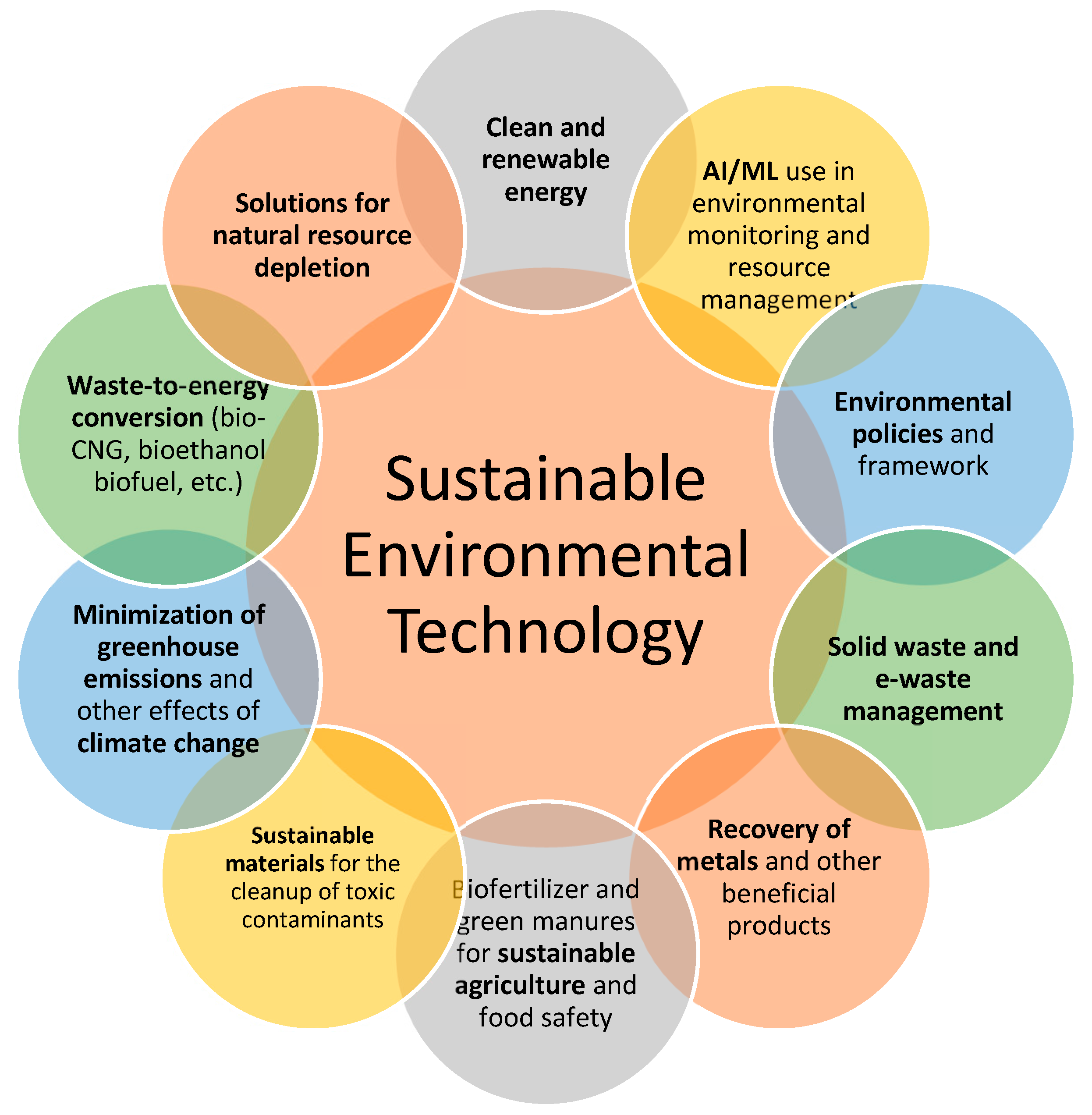
Transitioning to renewable energy is just one aspect of a broader shift toward sustainability. Sustainable practices encompass responsible consumption, efficient resource use, and circular economic models.
1. Sustainable Agriculture
Modern agriculture is a major contributor to greenhouse gas emissions, deforestation, and water pollution. Sustainable agriculture practices—such as crop rotation, organic farming, integrated pest management, and agroforestry—can reduce environmental impact while ensuring food security.
2. Sustainable Transportation
Beyond EVs, sustainable transportation includes public transit systems, cycling infrastructure, and urban planning that prioritizes walkability. Reducing reliance on private vehicles can lower emissions and improve air quality.
3. Green Building and Architecture
Green buildings are designed to minimize energy consumption and environmental impact. This includes the use of sustainable materials, efficient heating and cooling systems, and passive solar design.
4. Circular Economy
A circular economy moves away from the traditional "take-make-dispose" model to one where resources are reused, repaired, refurbished, and recycled. This approach reduces waste, conserves resources, and promotes sustainability across industries.
Policy and Governance
Governments play a critical role in steering the transition through legislation, incentives, and international cooperation. Effective policies include:
-
Subsidies and tax incentives for renewable energy projects and sustainable technologies.
-
Carbon pricing mechanisms that internalize the environmental cost of emissions.
-
Regulations and standards for energy efficiency in appliances, vehicles, and buildings.
-
Research and development funding for innovative solutions.
-
International agreements, such as the Paris Agreement, which set emissions reduction targets and foster global collaboration.
Barriers to the Transition
Despite the momentum, several challenges hinder the rapid transition to renewable energy and sustainable practices:
1. Infrastructure and Investment Gaps
Developing renewable energy infrastructure requires significant upfront investment. In many regions, outdated grids and limited financing options stall progress.
2. Political and Economic Resistance
Fossil fuel industries wield considerable political influence. In some countries, subsidies for coal, oil, and gas remain entrenched, making it harder for renewables to compete.
3. Intermittency and Storage
Solar and wind energy depend on weather conditions, which can lead to inconsistent power supply. Although energy storage technologies are improving, scalability remains an issue.
4. Public Awareness and Behavior
Transitioning to sustainability also involves changes in consumer behavior and lifestyle. Education and outreach are essential to promote sustainable consumption and support for green policies.

The Role of Individuals and Communities
While systemic change is crucial, individual and community actions also matter. People can contribute by:
-
Reducing energy consumption through efficient appliances and habits.
-
Installing solar panels or joining community solar programs.
-
Using public transportation or switching to EVs.
-
Reducing, reusing, and recycling to minimize waste.
-
Supporting sustainable businesses and advocating for environmental policies.
Communities can develop local energy cooperatives, engage in urban gardening, and participate in climate action initiatives.
A Global Movement
Countries around the world are making strides in renewable energy adoption:
-
Germany’s Energiewende has led to a dramatic increase in renewable energy production.
-
China, the world's largest renewable energy investor, is scaling up wind, solar, and hydropower capacity.
-
Costa Rica has achieved near 100% renewable electricity generation for several years.
-
India has committed to reaching 500 GW of non-fossil fuel energy capacity by 2030.
These examples illustrate the global shift towards cleaner, more sustainable energy systems.

Conclusion
The transition to renewable energy and sustainable practices is not just an environmental imperative—it is a pathway to a more equitable, prosperous, and resilient future. While challenges remain, the combined efforts of governments, businesses, communities, and individuals are paving the way for transformative change. As technology advances and awareness grows, the vision of a sustainable world powered by clean energy becomes not only possible but inevitable.
To secure this future, we must act decisively, collaborate across sectors and borders, and embrace innovation. The choices we make today will determine the legacy we leave for generations to come.


Comments
Post a Comment